
In the ever-evolving landscape of wellness, there’s a noticeable shift from the predominantly Western practices to the ancient wisdom of the East. This transformation signifies a growing recognition of the holistic and integrative approaches that Eastern practices, particularly Ayurveda, offer. Ayurveda, a 5,000-year-old system of natural healing that originated in India, is gaining global popularity. Its emphasis on balance, prevention, and individualized care presents a refreshing contrast to the often symptom-focused approach of Western medicine. Let’s delve into why this shift is happening and explore the long-term benefits of embracing Ayurveda.
The Shortcomings of Western Wellness Practices
Western wellness practices have dominated the industry for decades, focusing on quick fixes and often relying heavily on pharmaceuticals. While there is no denying the advancements and life-saving capabilities of Western medicine, it sometimes falls short in addressing the root causes of chronic conditions and maintaining overall well-being.
Key areas where Western practices often struggle include:
- Symptom Management over Root Cause: Western medicine frequently targets symptoms rather than underlying causes, leading to temporary relief rather than long-term solutions.
- Pharmaceutical Dependency: The heavy reliance on medications can lead to side effects and dependency without addressing the lifestyle and dietary factors contributing to health issues.
- Fragmented Care: The specialization in Western medicine, while beneficial in certain cases, often results in a fragmented approach to health, overlooking the interconnectedness of bodily systems.
The Rising Appeal of Eastern Practices
In contrast, Eastern practices such as Ayurveda offer a comprehensive approach to health that considers the mind, body, and spirit. This holistic perspective is increasingly appealing to those seeking not just the absence of illness but optimal wellness.
Why the Shift?
Holistic Approach: Ayurveda emphasizes balance in all aspects of life. It considers diet, lifestyle, mental health, and environmental factors, providing a more complete picture of health.
Personalization: Ayurvedic practices are tailored to the individual. By understanding a person’s unique constitution or “dosha” (Vata, Pitta, or Kapha), Ayurveda offers customized treatments that align with one’s specific needs.
Prevention Focus: Rather than waiting for illness to occur, Ayurveda emphasizes preventive measures through balanced living and early intervention.

Understanding Ayurveda: The Science of Life
Ayurveda, meaning “the science of life,” is a comprehensive system of medicine that incorporates diet, herbal treatments, yoga, meditation, and lifestyle adjustments. Its core principle is maintaining balance and harmony within the body and between the individual and the environment.
Key Components of Ayurveda
- Doshas: The fundamental energies (Vata, Pitta, and Kapha) that govern our physiology, psychology, and consciousness.
- Dinacharya: Daily routines that align with natural rhythms to promote health and prevent disease.
- Rasayana: Rejuvenation therapies that enhance longevity, vitality, and mental clarity.
- Panchakarma: A series of detoxification treatments aimed at cleansing the body of toxins.
Long-Term Benefits of Ayurveda
The long-term benefits of adopting Ayurvedic practices are profound, impacting physical, mental, and emotional health. Here are some of the key advantages:
- Enhanced Digestion and Metabolism: Ayurveda places great emphasis on digestive health. By following dietary guidelines tailored to your dosha, you can improve digestion and boost metabolism, leading to better nutrient absorption and overall vitality.
- Improved Mental Clarity and Emotional Balance: Practices such as meditation, yoga, and specific herbal supplements like Brahmi and Ashwagandha help in reducing stress, enhancing mental clarity, and maintaining emotional balance.
- Strengthened Immunity: Regular detoxification through Panchakarma, coupled with a balanced diet and proper lifestyle choices, can significantly enhance the immune system’s ability to ward off diseases.
- Better Sleep Quality: Ayurvedic routines (Dinacharya) emphasize the importance of sleep and offer guidelines to improve sleep quality, such as oil massages (Abhyanga), warm baths, and herbal teas.
- Longevity and Vitality: Rasayana therapies focus on rejuvenation and anti-aging, promoting longevity and sustained energy levels.
Integrating Ayurveda into Modern Life
Incorporating Ayurveda into our modern lifestyle doesn’t require a complete overhaul. Simple changes can bring about significant improvements:
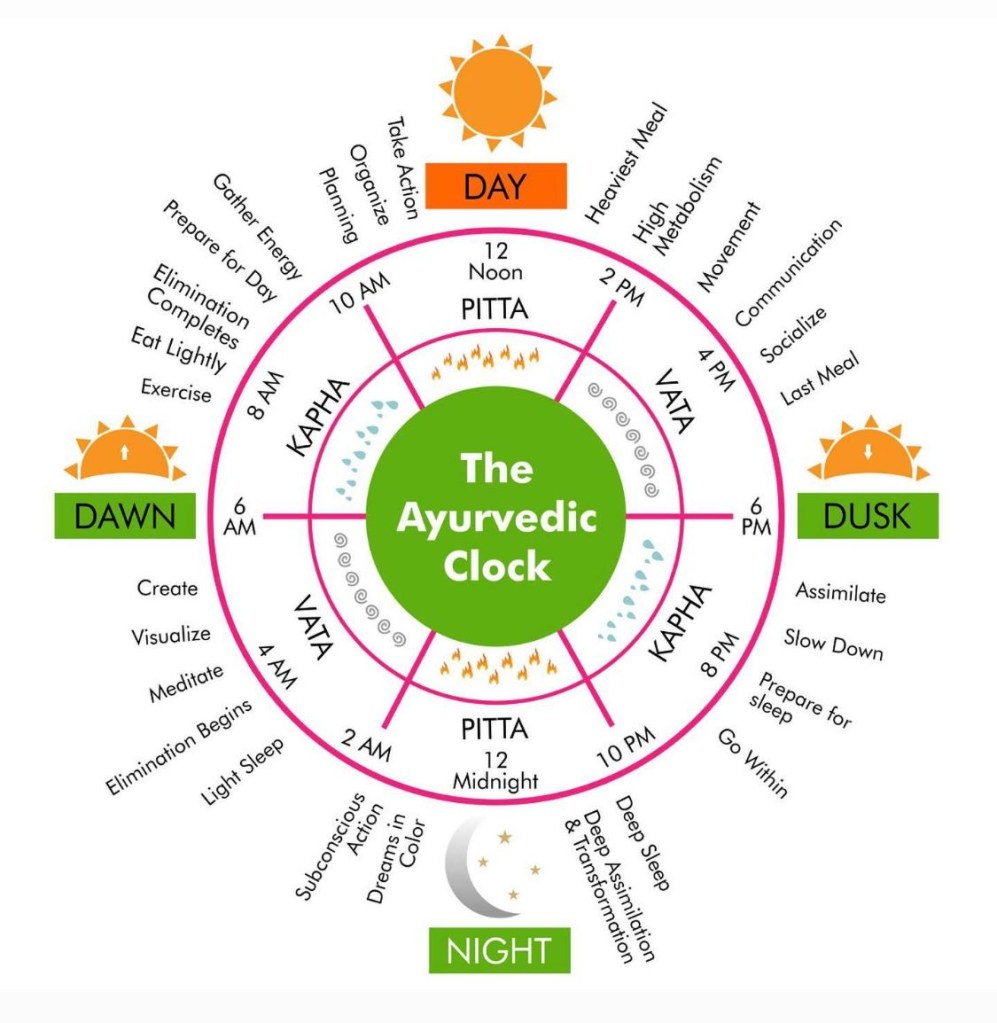
Diet: Eat according to your dosha. Incorporate fresh, organic foods and mindful eating practices.
Routine: Establish a daily routine that includes regular sleep patterns, exercise, and self-care practices like oil pulling and dry brushing.
Mindfulness: Practice yoga and meditation to enhance mental and emotional well-being.
Natural Remedies: Use herbal supplements and remedies to support health and address specific concerns.
The shift from Western wellness practices to Ayurveda marks a return to a more balanced and holistic way of living. As people increasingly seek long-term solutions for their health and well-being, Ayurveda’s ancient wisdom offers a timeless approach that is both profound and practical. By embracing Ayurvedic principles, we can achieve a state of balance, prevent illness, and enjoy a healthier, more harmonious life.
In a world where quick fixes are often the norm, the slow, deliberate, and personalized approach of Ayurveda is not just a trend, but a transformative journey towards true wellness.

 Rubika Narula